




























Disclaimer: Due to the formatting of the ACC Chronicle, various APA elements, such as the lack of a hanging indent in the “References” page, could not be fully adhered to. Please use the power of imagination to visualize a perfectly formatted APA article. Thank you in advance!
In the words of Mr. Hines, “You might be wondering why we make you guys do a different citation style for each subject, and it’s because we hate you” (H. Hines, personal communication, 2024). No matter the subject, everybody–at least once–has needed to use citations in some form of academic writing. To some, this procedure is taxing regardless of style; classes such as DE US History are infamous for enforcing strict citation standards during scoring, giving students grief over gratitude for the efficiency of these methods. However, of the “unholy trinity” of citations–MLA, Chicago, and APA–there is a clear standout regarding effectiveness, formatting, and general appeal. Of the citations students are required to use within the APS curriculum, APA is by far the most superior.
In its own words, the American Psychological Association (APA) citation system is “a foundation for effective scholarly communication because it helps authors present their ideas in a clear, concise, and organized manner” (American Psychological Association, 2020). The simplicity of the citation style allows for the quality of work to be presented while still providing necessary attribution. Unlike Chicago, which uses lengthy footnotes, APA uses in-text citations that are easy to understand. Furthermore, unlike MLA, its in-text citation system is simple but not redundant. If a person were to cite multiple sources with the same author in MLA, they must write their in-text citations as such, “(Author, “Name of Article” page#)” instead of “(Author page #)” (Purdue Writing Lab, 2025). Meanwhile, in APA, this is rarely an issue because a) a date is used to distinguish the two sources from each other, and b) sources just need to add a “-” detailing which type of document they are working with, such as “(Author, 2020 -a) and (Author, 2020 -b)” (Purdue OWL, 2024).
Meanwhile, Chicago’s footnote system is lengthy, redundant, and ineffective. The “in-your-face” location of the footnotes is distracting and ultimately detrimental to the content of the paper. If a reader wants to know more about the source, they can scroll to the citations page to find further information. The process of leaving in-text citations saves the writer time and space while also giving the reader the ability to dig deeper into the cited material.
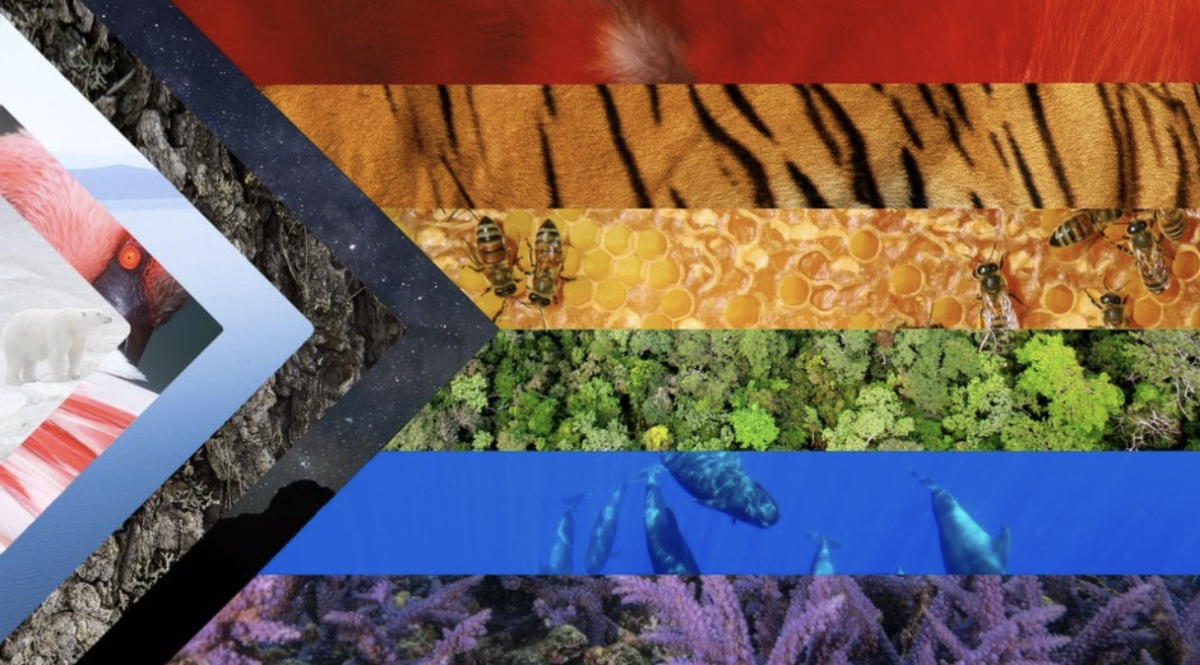
When citing a figure in MLA, the conventions required are often too difficult to format on Google Docs, and frankly, quite an eyesore to look at.
Figure 1
A Detailed Diagram of an MLA Cited Figure (Betts, 2018)
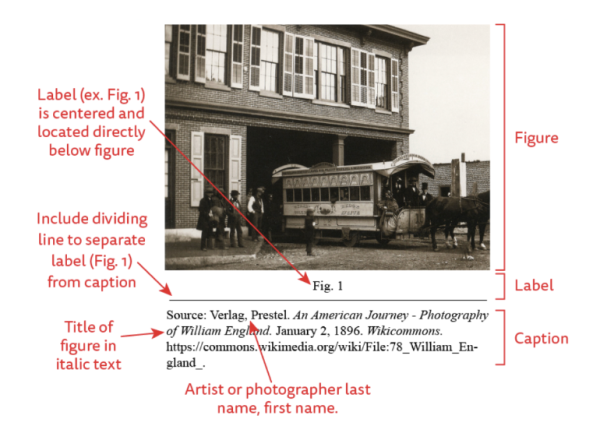
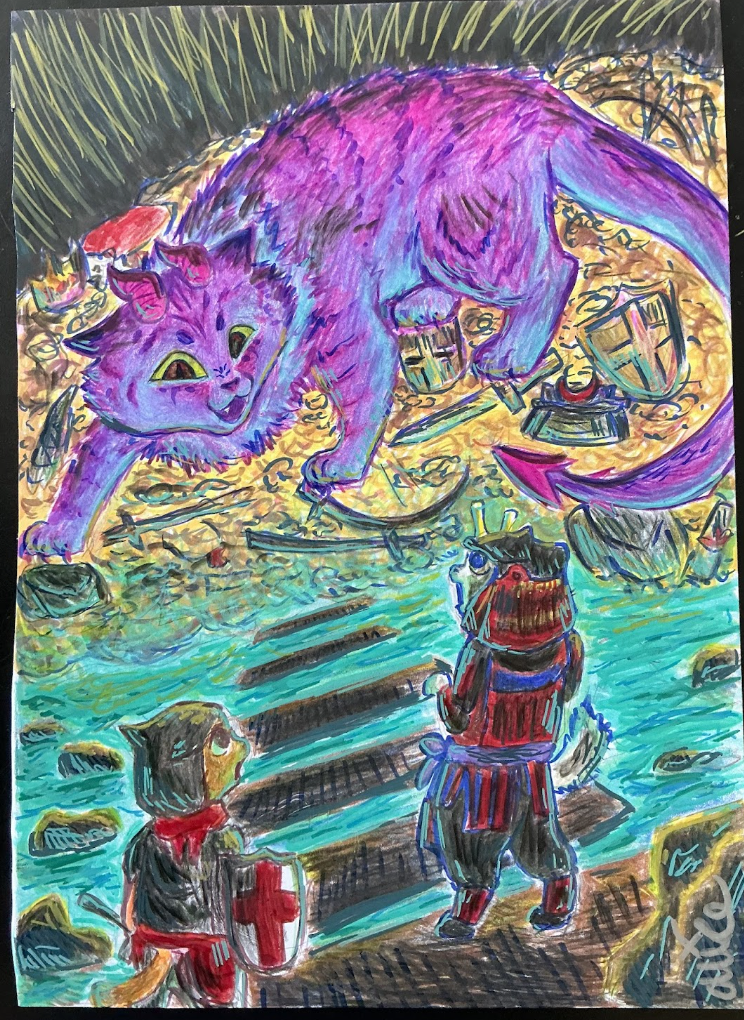
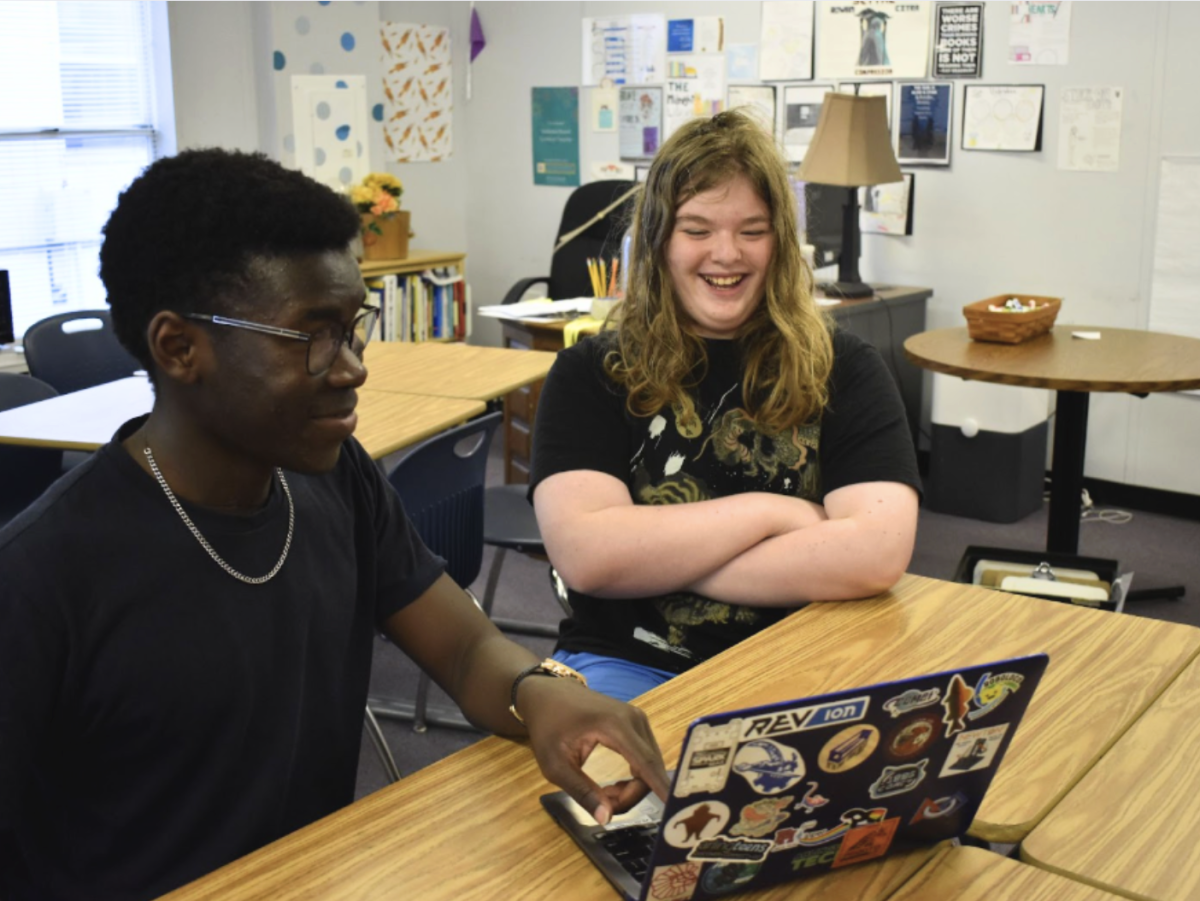
On the other hand, take a look at how I have effortlessly cited the image above using APA formatting. It’s much more efficient for the author and still portrays an adequate amount of information. Quite contrary to what most English or history teachers want you to think, the APA citation is sufficient for providing attribution to the source material. In fact, I find both MLA and Chicago figure citations incredibly distracting while reading, as it takes away from the image itself.
APA also has the advantage in one crucial paper element: title pages. The APA title page is short, sweet, and simple; all of the key elements of the title are focused into the top third of the page. Chicago, on the other hand, requires key content to be placed on both the upper and lower thirds of the page, making for a (rather awkward) gap in the center. If the written work were to be presented on paper, this mile-wide ravine of whitespace could be easily forgiven, but on a digital format, readers have to scroll lengthily just to grasp the full title of the assignment. MLA has the complete opposite problem, its title “page” is reduced to a meager heading on the initial page. While it may save space in regards to paper content, the lack of a designated page seems rather unprofessional. Additionally, the numerous top-left headings look rather confusing for those unfamiliar with the style and detract from the readability of the paper. Finally, APA citations have by far the simplest method of page numbering; the title is quite literally “page 1.” While this may sound rather obvious for those not versed with academic writing, Chicago doesn’t officially start the page count until the page with the introduction paragraph. By not starting “page one” on the first page, Chicago papers become increasingly difficult to scroll through, as the number on the paper doesn’t correspond with what the PDF reader displays. Even worse, MLA requires the author to shoehorn their last name in front of every page number, such as “Smith 1.” To readers, this is rather demeaning, as they already knew who the author was from the title page—oh wait, MLA’s title page isn’t that easy to read to begin with. Either way, a good citation method should remove redundant attribution already stated in the title page, a concept that hasn’t been completely grasped by Chicago or MLA.
In more relatable terms, I believe that If each citation were like a student in a classroom, MLA would be the lazy kid that does nothing in the back of class, while Chicago feels like an overachiever. On the other hand, while APA isn’t the top student, it’s still doing more than enough to succeed in this hypothetical classroom. APA isn’t fancy, but it doesn’t need to be sophisticated to get the job done.
In sum, APA is the most optimally designed citation style there is, as its simplicity is beneficial for writers and readers alike. While many of my teachers reading this may disagree, academic institutions would be wise to adopt APA writing as mandatory within school curriculum. After all, this article was written in APA for a reason.
References
American Psychological Association. (2020). Publication Manual Of The American Psychological Association. (7th ed.). American Psychological Association.
Betts, J. (2018, December 13). How to Cite a Picture in MLA. Bibliography.com. https://www.bibliography.com/mla/how-to-cite-a-picture-in-mla/#goog_rewarded
Hines, H. (2024). English Class [Personal communication].
Purdue OWL. (2024). APA formatting and style guide (7th edition). Owl.purdue.edu; Purdue University. https://owl.purdue.edu/owl/research_and_citation/apa_style/apa_formatting_and_style_guide/index.html
Purdue Writing Lab. (2025). MLA In-Text Citations: The Basics. Purdue Writing Lab; Purdue University. https://owl.purdue.edu/owl/research_and_citation/mla_style/mla_formatting_and_style_guide/mla_in_text_citations_the_basics.html