











































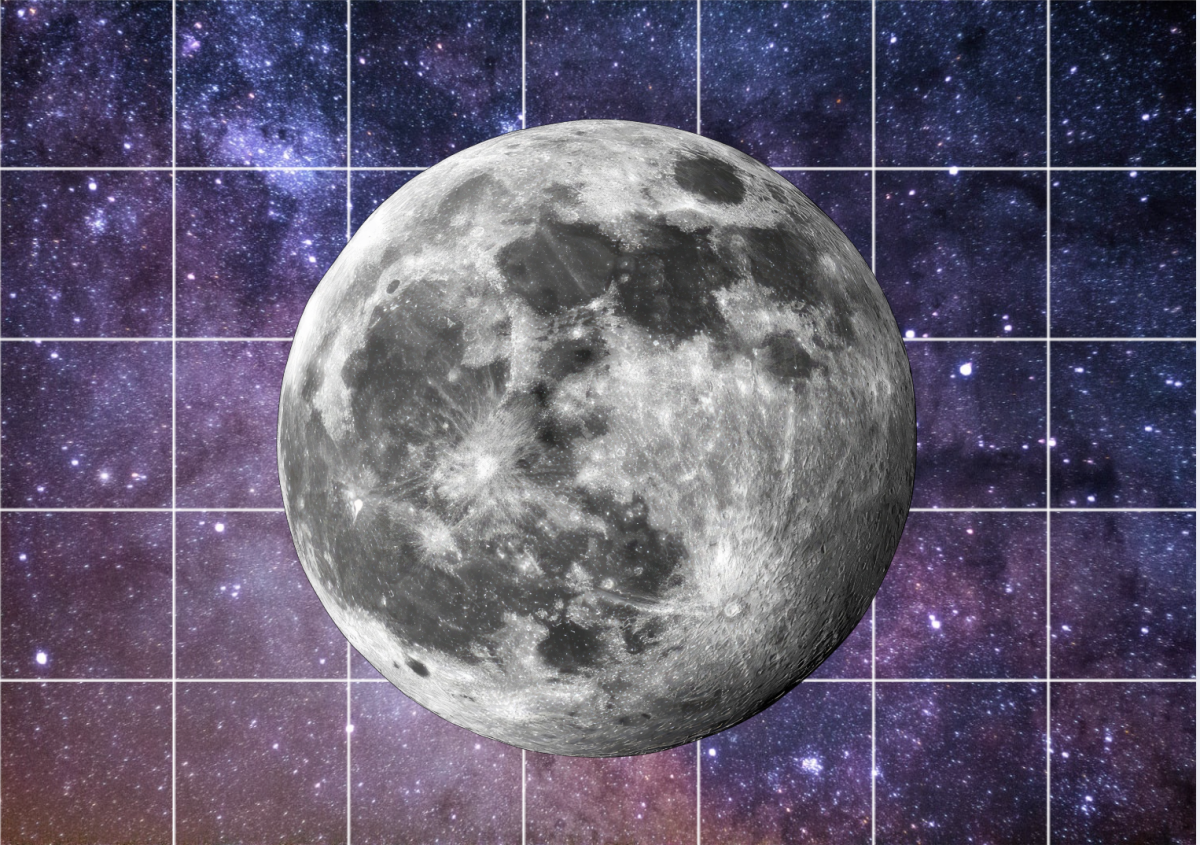

































As I am sure you know, about once a month we experience a full moon, where the entire side of the moon facing us is lit up by the sun. This happens every 29.5 days, so typically once, and occasionally twice a month. When the times line up perfectly and a second full moon just barely falls below the threshold of the next month, we call it a blue moon. A second full moon for that month. I am sure you have heard this term and thought it meant something more visually intriguing, but it is truly only about the period of time it falls between.
Not only do we have blue moons, but we have a different moon for every month. Sure, it’s the same moon, but there are different names for each full moon we experience. Many of these names come from Indigenous seasonal calendars as well as European folk traditions that were later recorded and popularized in almanacs. These names have stemmed from different tribes and cultures over the years, many of which relied on the moon and its phases to navigate days, months, seasons, and years. It isn’t just a floating rock in the sky, it is a staple of Indigenous culture across the world.
There is also something called a harvest moon, which is the name for the closest moon to the autumn equinox, which is the day once a year when the sun passes directly over the Earth’s equator, making day and night have almost exactly equal time. This day marks the first official day of fall.
The following names are not all from one tribe or culture specifically, but a selection from many that colonial cultures adopted and popularized through more modern days. Take the word popularized lightly, because while most everyone who follows the full moons uses these names, not many people follow the full moons…But that’s okay because I do! And I am here to talk through each of them, so let’s dive in and learn about the moon’s schedule for 2026.
- January: Wolf Moon, January 3
January is known as the Wolf Moon, as it is associated with wolves being more active or audible during the winter months. Other names include Ice Moon and Old Moon.
- February: Snow Moon, February 1
I think you can assume why this one is called the Snow Moon, but other names include Storm Moon and Hunger Moon.
- March: Worm Moon, March 3
This name is associated with the time of year when the ground begins to thaw, and earthworms reappear in the soil. There are many other names for this moon, such as the Death Moon and Sap Moon.
- April: Pink Moon, April 1
Indigenous tribes from the north coined this name from the native pink wildflowers that would appear during this time. Other names for this moon include Fish Moon and Egg Moon.
- May: Flower moon, May 1
This moon got its name from the flowers that bloom left and right during this month. Other names include Milk Moon and Hare Moon.
- May (again): Blue moon, May 31
This is our lucky blue moon, the second full moon to appear in the same month in 2026.
- June: Strawberry Moon, June 29
June is known as the Strawberry Moon because it is the best month for harvesting the ripest, reddest strawberries. Other names for this moon are Hot Moon and the Rose Moon.
- July: Buck Moon, July 29
Male deer, or bucks, shed their antlers annually and begin to regrow them in the month of July, hence the Native American name. Other cultures refer to it as the hay moon and hay harvest.
- August: Sturgeon Moon, August 28
Fishing-centered Native American tribes named this moon after the sturgeon fish that heavily populate this month. Other names include the Green Corn Moon and the Grain Moon.
- September: Full Corn Moon, September 26
September is known as the full corn moon because this is when harvest ends and all the corn is collected amongst native tribes in America. It can also be called the barley or Harvest Moon. This moon also rises early and bright, allowing farmers to work longer.
- October: Hunter’s Moon, October 26
This moon is similar to September’s because it rises early in the morning and is very bright. Due to the summer’s end, animals of prey are big and full of meat, as well as unable to hide in leafless forests, earning October’s full moon its name. It is also called the Dying Grass Moon or Travel Moon.
- November: Beaver Moon, November 24
This moon, which happens to be my favorite, is somewhat debated for its upbringing. Some say it comes from native americans putting out beaver traps during this time, while others claim it is simply because this is when beavers are busiest in building their dams. This moon can also be called the Frost Moon.
- December: Cold moon, December 23
I would hope that everyone reading this could understand why this moon got its name during a chilly winter season. Other names are the Long Night Moon and Oak Moon.
Thanks for reading about all the full moons of the year. This is something I have always loved reading about, as it teaches us how Indigenous traditions help us to recognize something beautiful about time and seasons. This summer, I hope you enjoy some moon-watching for yourself.