











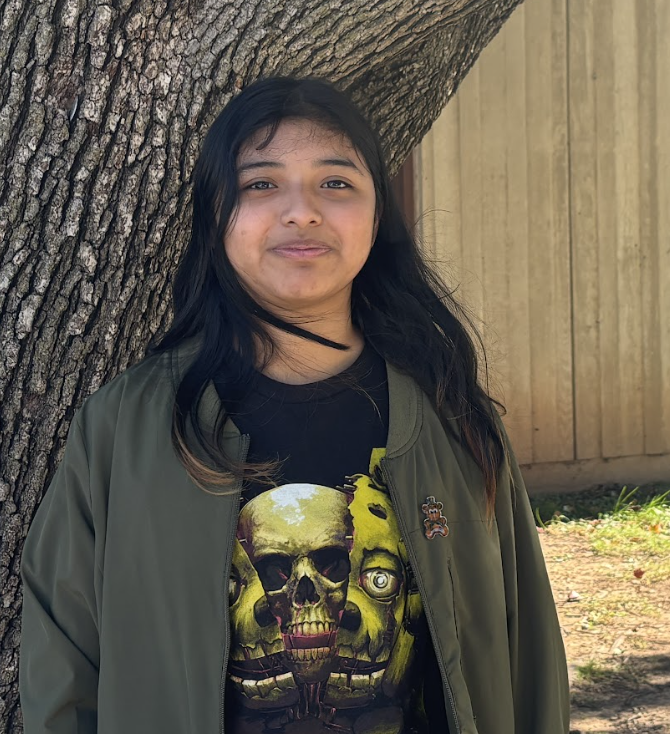






























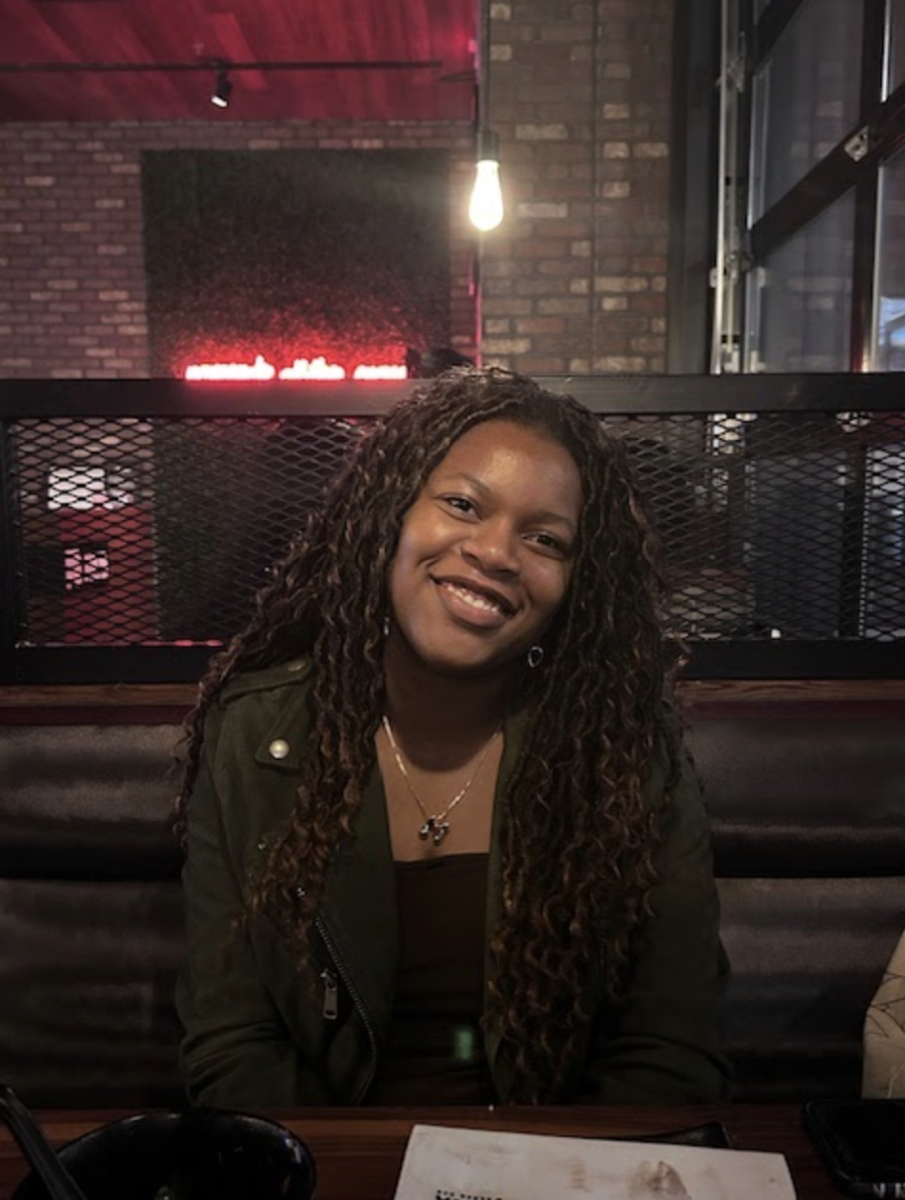





As someone who is already committed to college, I’d describe the application process as a bad boyfriend. It stresses you out, disappoints you, and even makes you cry. Maybe I am exaggerating, but this whole experience made my thumbs lose their skin due to the nerves and anxiety I felt.
Truthfully, coming to America was a blessing. However, this senior year made me realize how difficult it is to break through into the college system of this country.
In my first years of high school, I was pretty unsure about my plans after graduation. I had thoughts like, “Oh, I can go to community college,” or “I will work and save money.” And despite those being good options and there is nothing wrong with that, I still felt unsure. Unsure about my future, why I was here, and why I was putting so much effort into something that I did not believe in.
Being an immigrant changed the perspective that I had about college. What happens when financial aid is unavailable? Or what happens when you have to send a ton of emails to admissions offices trying to explain your situation, but “there are no other alternatives available”? The only emotion filling my body when I was opening portals, checking emails, and sending documents was frustration. Frustration because universities that boast about helping students like me label me as an international or out-of-state student despite the fact that I will finish high school here in America, here in Virginia.
But what is funnier in that situation is when they reject you.
Let me explain about this public institution that is here in Virginia. I remembered that I did an early action application, and I was so excited because my chances of getting into that university were high. To my surprise, when I opened my portal, there were additional requirements that I needed to meet in order to complete my application. I missed the chance to receive an answer in November, so I started to make calls and send emails like crazy. When I called, they gave me an email address where my questions could be answered.
I started by clarifying my situation because that university qualified me as an international student. I received an answer back where they told me to send documents that, at that moment, I didn’t have or were expired. I clarified once again, and they made me send my expired documents, and my application was free of holds and ready for review. What is so frustrating about that is not the rejection letter; it is the fact that they made me do all that work of searching my paperwork and fighting with my mom because she kept asking: “Who is asking for that?”
All that work just to see a big “sorry” in the decision letter. And an even bigger “international student.”
I couldn’t help feeling sad because that university used to be my dream school, or feeling some jealousy when my friends were accepted.
But I think the hardest part of this process was applying for financial aid.
The words “financial aid” made me question if pursuing higher education was a real option for me. Since I can not apply to FAFSA, and most of the scholarships I found required applicants to be American citizens, permanent residents, or even be DACA recipients, I had to search for other opportunities that could fit within my limitations.
Fortunately, the state of Virginia is very generous with students like me. When I was talking with Mr. Derocco about financial aid options, he highly recommended me to fill out the Virginia Alternative State Aid (VASA). The VASA works like the FAFSA, but as its name states, the VASA is limited to Virginia public universities.
Despite the challenging process, the VASA was extremely helpful and significantly reduced the net cost of the university I will be attending. However, completing the application itself was a headache.
I had arguments with my mom again, and I remember we spent two hours looking for our paper taxes and complaining to each other together because we didn’t know how to read the taxes or what numbers we needed to enter in certain boxes.
But we did it.
Even though I consider financial aid as the most difficult part of the process, sending emails to universities was a part that completely drained me emotionally after the decision letters and the financial aid application process.
I mentioned before that many schools qualified me as “out-of-state.” Clarifying that status was easier than being labeled an “international student,” but that did not make the process any less stressful.
For some universities, I had to submit my parents’ 760 Tax Return Forms. It sounds simple, but it became complicated because they required tax documents from two consecutive years. Once again, deadlines were approaching, and I found myself stressing over paperwork while asking my mom if the 2025 tax forms had arrived yet.
At that point, I honestly wanted to give up and continue my education at community college instead. But Ms. Monica encouraged me to keep insisting, to keep calling, to keep sending emails, and to commit to the institution that had opened its doors to me. I am incredibly grateful for that encouragement because I ended up receiving a strong financial aid package and a place where I can continue developing as a person and begin becoming the professional I aspire to be.
And for students going through this process as immigrants, I want to say: do not worry too much about things that are outside of your control. You have to stay strong and understand that sometimes you will not receive the results you expected. Apply for scholarships that support your circumstances, keep insisting, be proud of yourself and take up space, find your people, and remember that there will always be a place willing to help you and become the right place for you.
Words that are also going towards that version of myself who came to America and started from the beginning.
Key Lessons:
- Find the right people in school to support you (college counselor, teacher, DEI coordinator)
- Keep all of your state residency information and your tax documents organized
- Attend VASA and FAFSA workshops where you can get help in real time
- Know your deadlines for applications and VASA
- Make phone calls, write emails, and advocate for yourself
- Don’t waste your time applying for scholarships that you don’t qualify for.
The end of my story is a happy one, and I hope yours will be, too. Go Patriots.