







































In recent years, the popularity of blind boxes and mystery toys has grown exponentially. In a blind box, there are usually around 5-12 mystery toys that you can possibly obtain, which makes it a fun experience for kids who don’t know exactly what they’re getting. AKA, the whole point is to get parents to spend more money so their child can get the one toy that they want. This strategy has bled into collectibles marketed towards adults. (In this article, I use blindbox as an umbrella term for any collectibles for which consumers don’t know what the prize is during purchase.) Popular ‘blindboxes’ of this sort are Labubus, Sonny Angels, Smiskis, and Pokemon cards. Of course, these blindboxes are also perfectly suited for children as well, so the companies hit customers of all demographics.
Recently, there has been a trend of getting a blindbox of a specific dumpling stress ball in hopes of getting the “super rare glitter dumpling stress ball”. Consumers even buy several boxes/containers of them (around 30 separate blind boxes) to hopefully get the super rare one. This completely changes the dynamics of blind boxes; not only do some people wish to fully complete the blindbox collection, but they also now have a super rare one to find. The obsession of the very rare option in blind boxes leads to an unhealthy consumption cycle. At some point, it becomes less about the surprise and more about getting the rarest option.
Okay, so people buy a bunch of blindboxes with their own money. What’s wrong with that? The issue of excessive consumption of blindboxes is the harmful effects on the environment. When people buy so many of the blindboxes to get just one of the options, what do they do with the rest of them? Throw them away? Donate them?
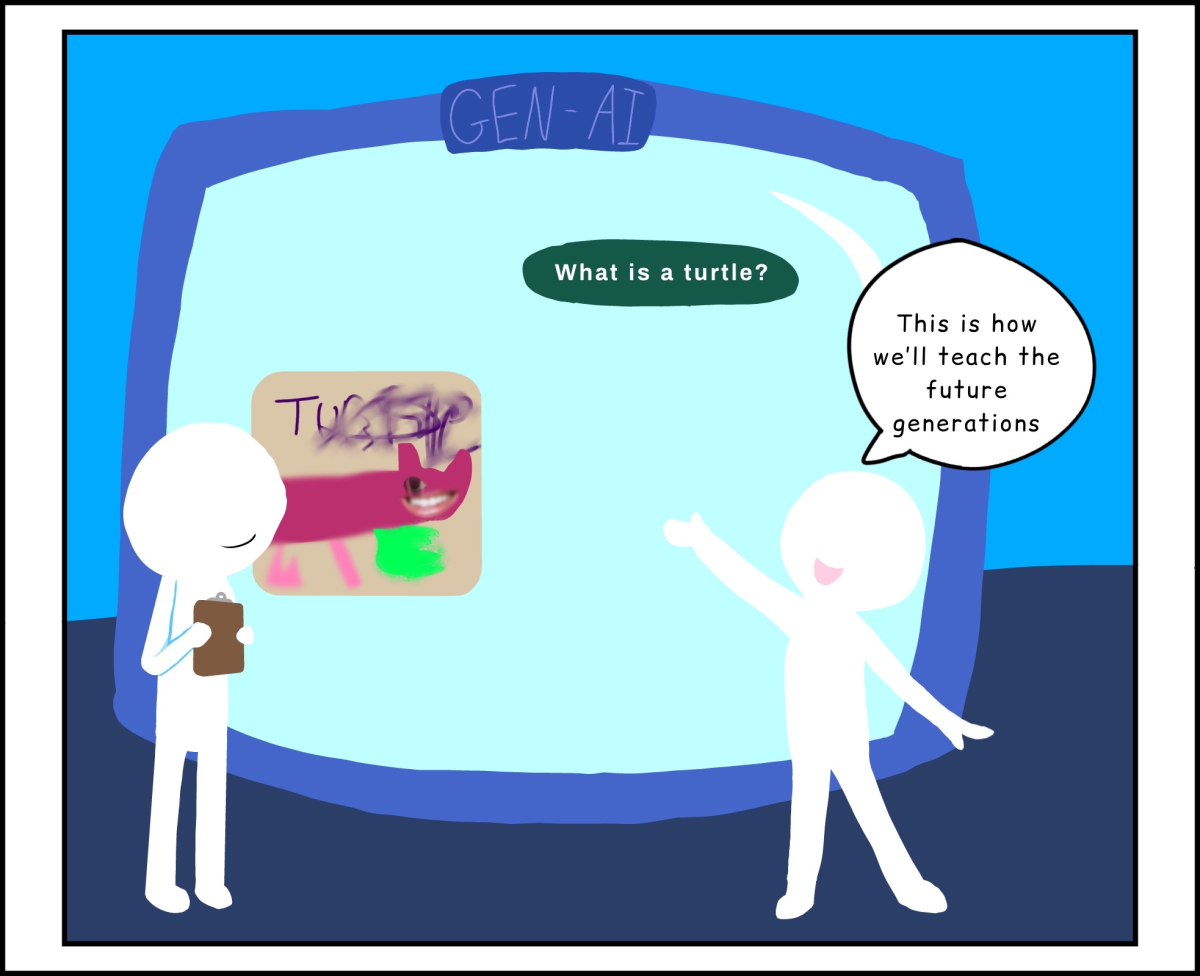
Almost every blindbox is a figurine or toy. Circling back to the stressball dumplings, so many people hunt exclusively for just the super rare glitter stressball that having any other options is basically trash to collectors. The mass consumption of basically useless items is far too normalized. Of course, toys and figurines are fun, but at what point is it too much?
Some may think the connection between blindbox opening and gambling is a bit of a dramatic example, but the similarities are there. The constant attempts to open the specific prize wanted mimic the cycle that gamblers go through. The mentality of ‘maybe this one is the one’ is very unhealthy, especially to young children, towards whom the majority of blindboxes are marketed. The gambler’s fallacy, a belief that drives many gamblers to continue, is the mentality that previous outcomes can influence future outcomes. An example of this belief would be: ‘I opened 5 blindboxes and didn’t get the secret, if the chances of the secret are ⅙, then I’ll surely get the secret next time’. When in reality the chances are still 16.7%. People mistake the 16.7% to be a 100% chance of getting the secret in 6 tries. There is no correlation between the box you opened 5 minutes ago and the next one you’re opening.
Not only does this happen in real life, but also in virtual games. ‘Gacha games’ are a term for games that are mainly based on pulling or collecting things like characters and items. A gacha game that almost everyone is familiar with or has heard of is Genshin Impact. Genshin Impact is a multiplayer story game focused on open-world exploration and character collection. The main gachas are the different characters or weapons you can unlock. Gacha games don’t have to be just about collecting and pulling, but they incentivize you to “pay to win,” which can make you better at the game, boost your account, and give you access to exclusive content.
Another very popular gacha game is Pokémon: The Card Game. The online game is based on Pokémon card collecting and battling. You can only battle with Pokémon cards, and the only way to get Pokémon cards is by pulling them from packs in the game. The cycle of opening just happens naturally, which is what makes gacha a main part of the game.
Almost no game nowadays doesn’t have some form of gacha. In some shooter games, you need to open crates to get skins or weapons. In certain lifestyle simulators, you may get a mystery item every so often that you need to pay for. There’s no escaping the phenomenon.
Now, what’s my viewpoint about blindboxes? To be honest, I am a huge fan of certain blindboxes, like Smiskis. I used to love things like LOL dolls and Shopkins, which were very expensive blindbox toys when I was younger—sorry, Mom and Dad. For me, I get a treat for myself every time I feel like I have accomplished something. If I get good grades for the semester, it’s the end of a quarter, or I finished my terrible science project, getting a blind box feels like a special treat, and I don’t mind the random aspect of the toys themselves. I have collected some duplicates, which I usually give to my brother, but my favorite method of getting rid of duplicates is going to stores that have a trade-in box. A trade-in box is a bin filled with opened blind-box items, just in case someone gets an item they don’t want; they can exchange their prize for another that they actually wanted. This keeps me from having a bunch of figures I don’t want, and I’m able to spend less money when trying to collect a specific prize. It’s still consuming blindboxes, but in a way that the prize is something that won’t go unappreciated.
Of course, this article isn’t about shaming anyone who likes to collect blindboxes. As you can see, I do too. It’s pointing out the risks of taking it too far and the harmful cycles they can put you in.
SOURCES:
https://psychiatryonline.org/doi/10.1176/appi.pn.2026.02.2.37
https://manualredeye.com/101821/news/the-rise-of-blind-boxes-and-the-consequences/