




















































When you open up any news app, you will probably find articles on Ukraine or Gaza. Still, I’ll bet the Sudan Civil War has barely graced the platform, even though it’s one of the largest humanitarian crises of our time.
The Sudan Civil War has displaced 13 million people since 2023, and the conflict sees no end in sight. The war began on April 15, 2023, when the most recent military government fell, and two powers began fighting over control: the Sudanese Armed Forces (SAF) and the Rapid Support Forces (RSF).
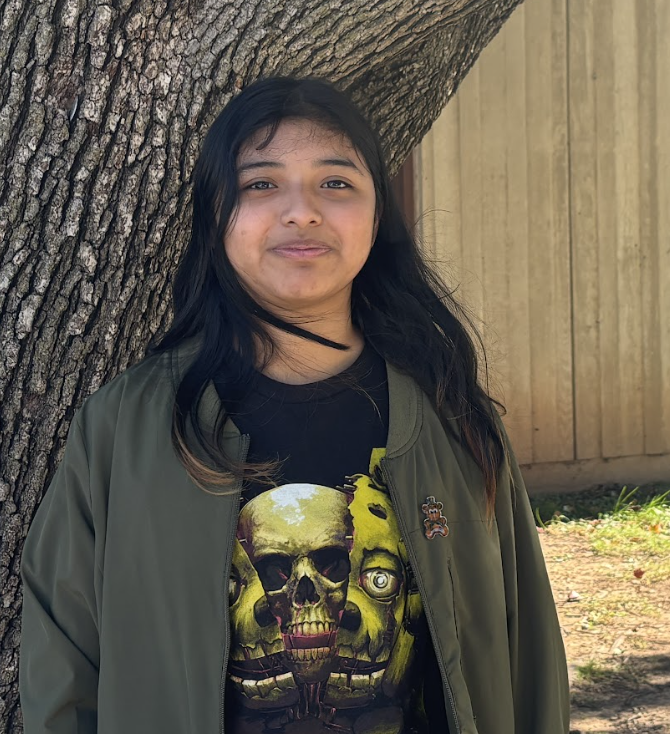
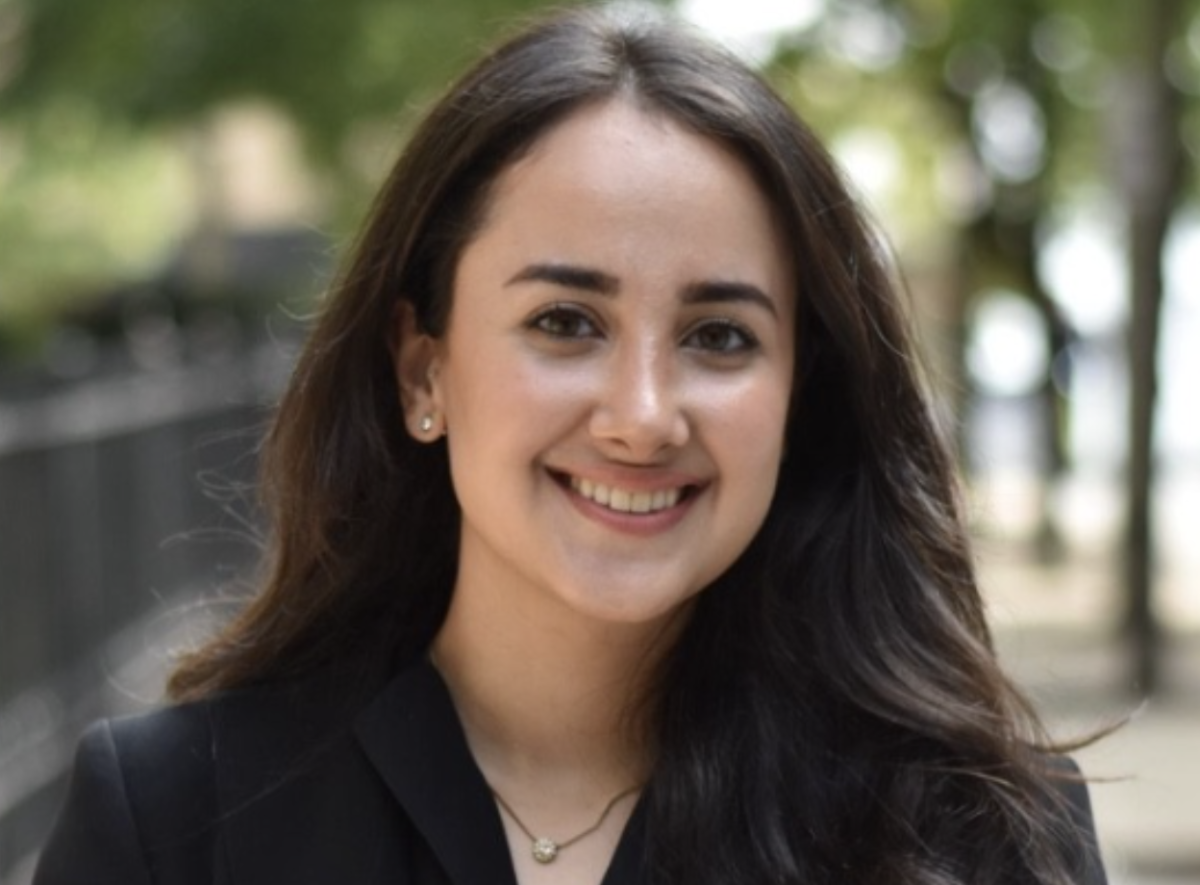
An ACC sophomore Retal Taha from Sudan says, “They are fighting over power that could have been distributed between them and because of that people are just dying and their blood is in their hands.” The SAF was a part of the military of the fallen government and has more international relations than the RSF. The RSF is labeled as a rebel group in Sudan and is known as a violent Arab-nationalist militia that has been attacking villages since 2014. Before the government fell, they were committing a genocide of the people groups in Darfur, a southwestern region of the country, including countless other human rights violations. Since the RSF has taken over they have continued to kill innocent citizens in the land, along with any other areas they control.
The RSF has taken over the western part of the country, and the SAF the east. The RSF have also been supplied with weapons for the war from the UAE in exchange for gold as Sudan is one of the top gold producers in the world. Even though the UN has put intense pressure on the UAE to cut ties with the RSF there has been no evidence of change. During the beginning of the war, the RSF had control over the capital, Khartoum, and seemed to have more of the upper hand in the conflict.This year, the SAF recaptured Khartoum due to the amount of outside countries supporting them with weaponry and artillery.
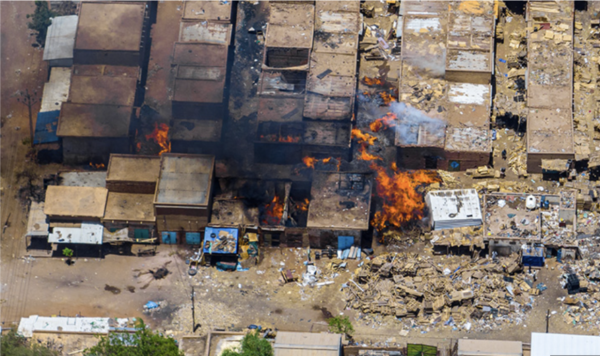
The most recent news is of El Fasher, where the RSF destroyed the city on October 26 after laying siege on it for over 500 days. This massacre of the city is evidence of this ongoing genocide of the Darfur people groups. Hundreds of thousands have fled to the north countryside or even as far as Cairo, Egypt and Saudi Arabia. Aid workers said they saw hundreds of unaccompanied children who came to the refugee camps all alone. Another ACC sophomore Lim Ziadah from Sudan comments on adolescent schooling saying, “To begin with their education wasn’t stable but now it’s just nonexistent.”
With violence being so frequent in all of Sudan, not just El Fasher, it is hard to see when this war will end. Sudanese students Retal Taha and Lim Ziadah urge us to recognize the massacre occurring and to “give awareness and speak up about [it]”. According to an aid worker in a Sudanese refugee camp, the best thing we can do as students and staff is to speak up and not let these humanitarian crises go unnoticed.
Discuss what is going on in the world, and speak up against injustice and genocide.